
Impact
By investigating and exposing human rights abuses, we work to create a world where everyone is treated fairly and equitably, no matter their race, religion, or beliefs. We call for action so that people who disagree with their government can speak their opinions freely, so that children are protected, and refugees cared for. All of us, regardless of who we are, who we love, or the color of our skin, should be able to enjoy fully our human rights.
BROWSE ALL IMPACT ›
Change is sometimes immediate, sometimes incremental. We work on issues for years and know from experience how to transform deep-rooted problems. Here are examples of some of the recent impact we have made, together with our partners, in advancing human rights around the world.
How do we bring about change?
Investigate
Our researchers investigate human rights abuses, first by speaking with victims or witnesses. We corroborate their stories using a variety of sources, including government records, weapons’ fragments, satellite imagery, and the statements of accused perpetrators – be they members of governments, armed groups, or companies. We often do this work together with partner activists.
Expose
We share this information widely, in multiple languages, to help shape public debate. Our reports, videos, and social media posts show up hundreds of times daily in news media around the world, bringing both global and local attention to our rigorously fact-checked findings.
Change
Often in coalition with local groups, we bring our findings to officials who have the power to change things. For every issue we work on, we make specific, concrete policy recommendations that will bring people justice, prevent future abuses, and protect human rights.
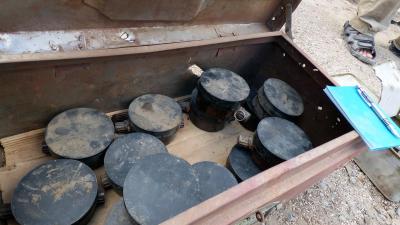
Our work has been instrumental in some foundational victories for human rights, including our work on banning landmines worldwide, for which we and our partners received the 1997 Nobel Peace Prize. Below are some examples of our historic impact.
All impact
-
-
October 24, 2019
‘Killer Robots’ Debate Hits the Small Screen
Last Sunday, CBS aired an episode of its show Madam Secretary focusing on “killer robots” or fully autonomous weapons, an issue Human Rights Watch has worked on since 2012.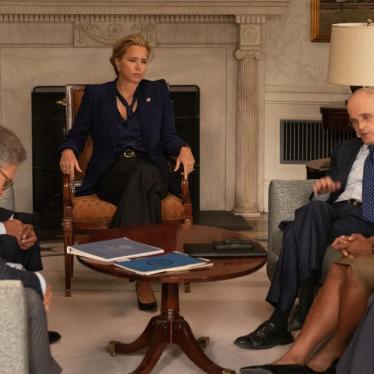
-
October 4, 2019
Nigeria: Army Frees 25 Child Suspects After Abuse Reports
(Abuja) -- The Nigerian army’s release on October 3, 2019 of 25 detained children is an important step towards rights-respecting treatment of children affected by the Boko Haram conflict in northeast Nigeria, Human Rights Watch said today. The 23 boys and 2 girls had been detained at Giwa barracks, the main military detention facility in Maiduguri, Borno State, for suspected involvement with the armed Islamist group Boko Haram.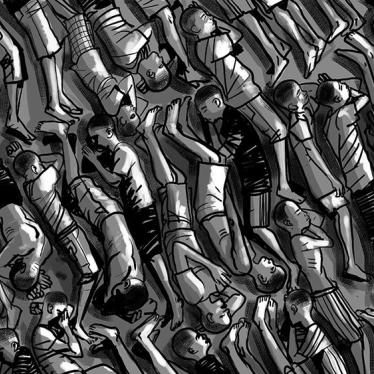
-
-
September 3, 2019
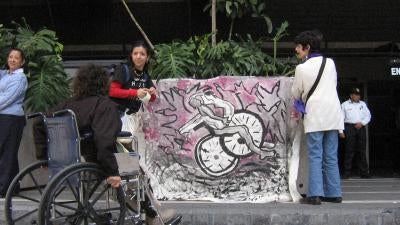
Indonesia Upholds Rights of People with Mental Health Conditions
Assistant Researcher, Disability Rights Division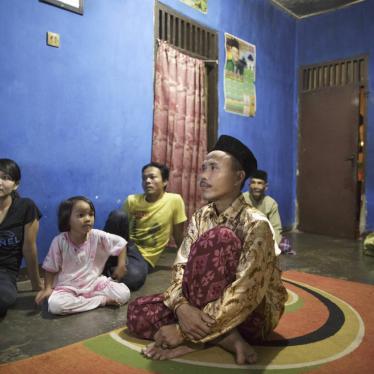
-
August 27, 2019
Shuttering Notorious Jaslyk Prison A Victory for Human Rights in Uzbekistan
Director, Europe and Central Asia Division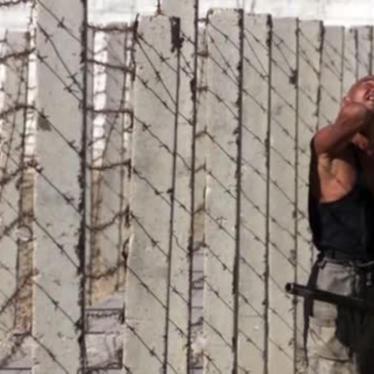
-
-
-
August 5, 2019
Iraq Authorities Acknowledge Horrific Prison Overcrowding
Several members of Iraq’s parliament and the province’s deputy governor visited prisons near Mosul, Iraq, calling what they found a “humanitarian catastroph,.” two days after Human Rights Watch released research detailing the horrible conditions of the prisons.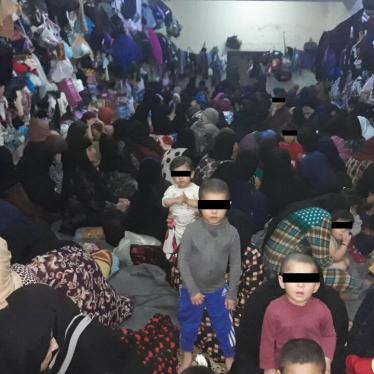
-
August 2, 2019
US Moved Some Children from Abusive Texas Border Facility
In response to an outcry about the horrific conditions of a US Border Patrol holding station in Clint, Texas, the US Department of Homeland Security announced in June that nearly 250 children would be moved into facilities for children operated by the US Department of Health and Human Services.