


Impact
By investigating and exposing human rights abuses, we work to create a world where everyone is treated fairly and equitably, no matter their race, religion, or beliefs. We call for action so that people who disagree with their government can speak their opinions freely, so that children are protected, and refugees cared for. All of us, regardless of who we are, who we love, or the color of our skin, should be able to enjoy fully our human rights.
BROWSE ALL IMPACT ›
Change is sometimes immediate, sometimes incremental. We work on issues for years and know from experience how to transform deep-rooted problems. Here are examples of some of the recent impact we have made, together with our partners, in advancing human rights around the world.
How do we bring about change?
Investigate
Our researchers investigate human rights abuses, first by speaking with victims or witnesses. We corroborate their stories using a variety of sources, including government records, weapons’ fragments, satellite imagery, and the statements of accused perpetrators – be they members of governments, armed groups, or companies. We often do this work together with partner activists.
Expose
We share this information widely, in multiple languages, to help shape public debate. Our reports, videos, and social media posts show up hundreds of times daily in news media around the world, bringing both global and local attention to our rigorously fact-checked findings.
Change
Often in coalition with local groups, we bring our findings to officials who have the power to change things. For every issue we work on, we make specific, concrete policy recommendations that will bring people justice, prevent future abuses, and protect human rights.
Our work has been instrumental in some foundational victories for human rights, including our work on banning landmines worldwide, for which we and our partners received the 1997 Nobel Peace Prize. Below are some examples of our historic impact.
All impact
-
-
October 7, 2020
Justice Delivered in Greece
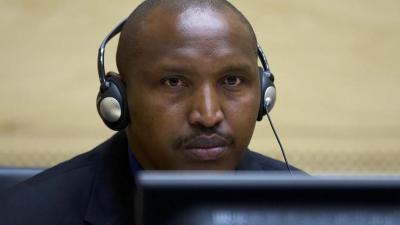
In a momentous ruling today, an Athens appeals court found that the far-right neo-Nazi Golden Dawn party was operating as a criminal organization. The court also found that members of the group orchestrated or colluded in the 2013 murder of 34-year-old anti-fascist activist and rapper Pavlos Fyssas, the 2013 murder of 27-year-old Pakistani national Shehzad Luqman.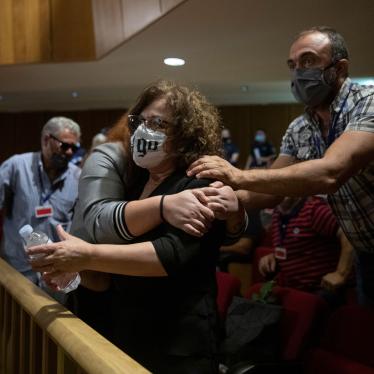
-
October 7, 2020
Finally, Good News for Asylum Seekers in Italy
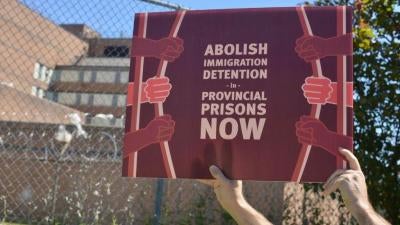
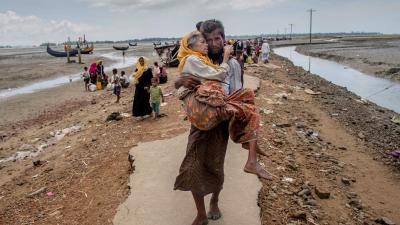
It pledged last year to do so, and now the Italian government has restored some humanity to its immigration and asylum system.
-
October 6, 2020
Don’t Let Orphan’s Canadian Homecoming Be an Exception
Associate Director, Crisis and Conflict Division
-
October 2, 2020
Georgia Passes Sweeping Labor Reforms
Deputy Director, Europe and Central Asia Division
-

-
-
-
August 25, 2020
Will Serbia Release Covid-19 Data from Institutions?
Associate Director, Disability Rights Division
-
August 19, 2020
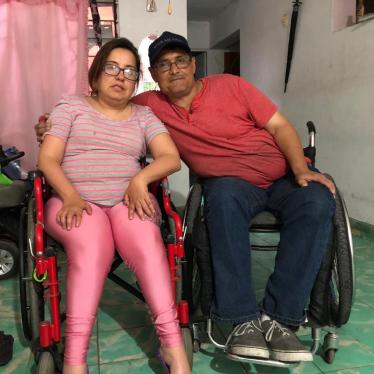
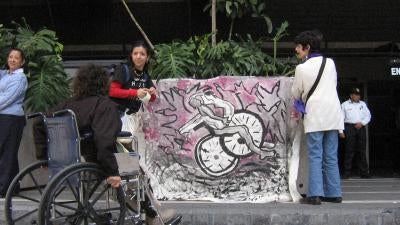
Regressive Mental Health Bill Blocked in Mexico
Activists and disability groups recently scored a key victory in Mexico: A regressive draft mental health bill was put on hold before reaching the Senate for a vote.